ZISAN CONSTRUCTION

PC Strand (LRPC)

High strength prestressed concrete steel strand composed of 2, 3, 7, or 19 wires stress-relieved for bridges, flyovers, modern high-rises, and nuclear power structures.

PC Strand (LRPC)
BUET

Quality Tested & Certified

Verified by Bangladesh University of Engineering and Technology (BUET) and AASHTO M297 standards.

SKU: ZC-PCSTRAND-1002 Post-Tensioning & Anchorage Systems

PC Strand (LRPC)

High strength prestressed concrete steel strand composed of 2, 3, 7, or 19 wires stress-relieved for bridges, flyovers, modern high-rises, and nuclear power structures.

WhatsApp PDF Datasheet

Key Engineering Features

High Tensile Strength (1860 MPa Standard)
Superior Low-Relaxation Performance
Available in 7-Wire & 19-Wire Configurations
Galvanized & Epoxy Coated Corrosion Protection Options
Quality Tested & Certified by BUET

Technical Specifications Table

Parameter Engineering Benchmark
Tensile Strength Levels 1860 MPa (Standard), 1720-2100 MPa
Wire Configurations 2-Wire, 3-Wire, 7-Wire, 19-Wire Strand
Surface Morphology Smooth, Indented, Compacted, Epoxy Coated
Relaxation Performance Low Relaxation (LRPC) Stabilized
Standard & Testing ASTM A416 / BS 5896 / BUET Quality Tested

Detailed Product Description & Engineering Overview

PC Strand (Prestressed Concrete Steel Strand) is a high-tensile twisted steel cable composed of 2, 3, 7, or 19 high-strength steel wires, stress-relieved (stabilized) specifically for prestressed concrete and heavy infrastructure applications.

Classifications:
- By Wire Count: 2-wire, 3-wire, 7-wire, and 19-wire steel strand.
- By Surface Morphology: Smooth steel strand, indented/scoring strand, mold pulling (compacted) strand, and epoxy resin coated steel strand.
- Tensile Strength Levels: 1860 MPa (most common), as well as 1720 MPa, 1770 MPa, 1960 MPa, 2000 MPa, and 2100 MPa.

Main Characteristics & Benefits:
High tensile strength, superior stress-relaxation performance, and excellent axial straightness. Galvanized steel strand is commonly used in tie-rods, cables, and external pre-stressing tendons for major bridge projects.
Engineering Articles

Technical Guides & Case Studies

View All Guides
Steel Strip Expansion Joint: Comprehensive Technical Specification & Design Guide (2026)
Bridge Expansion Joints

Steel Strip Expansion Joint: Comprehensive Technical Specification & Design Guide (2026)

An in-depth engineering guide on Steel Strip Expansion Joint systems for bridge construction in Bangladesh. Learn about movement gap capacity, AASHTO M297 compliance, BUET quality testing, and structural installation.
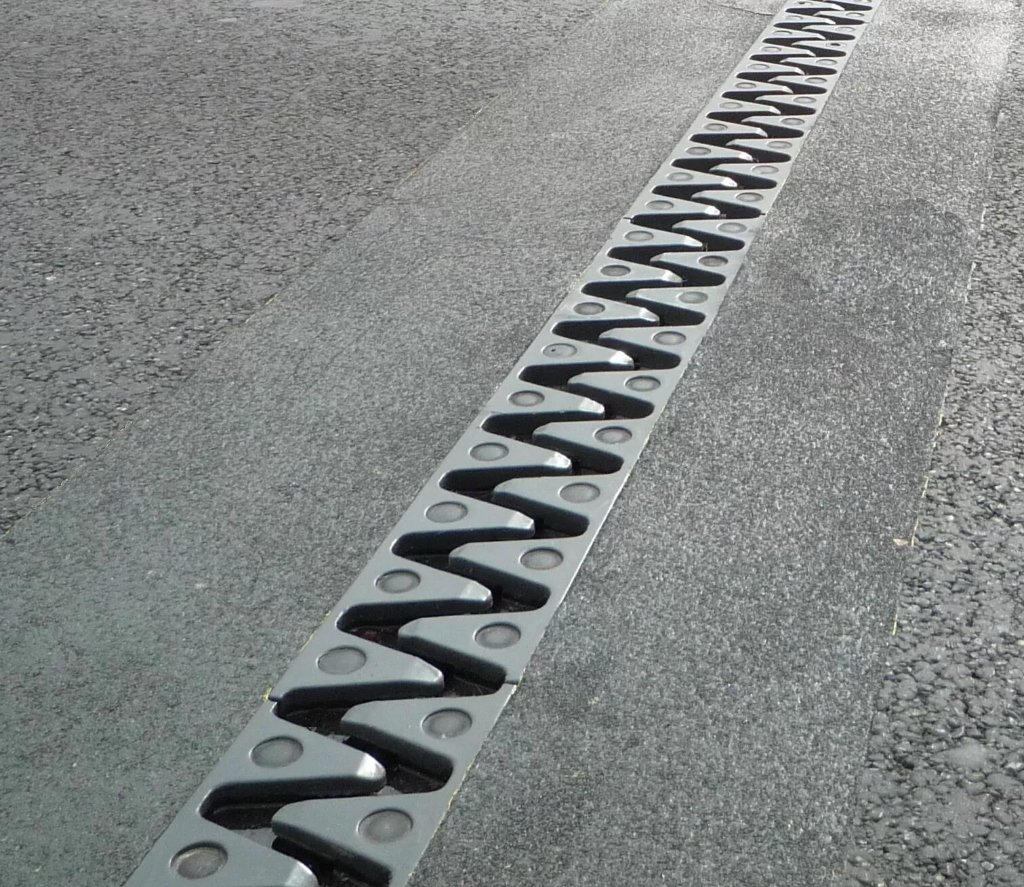
Steel Strip Expansion Joint vs. Modular Expansion Joint vs. Finger Joint: Complete Engineering Comparison
Bridge Expansion Joints

Steel Strip Expansion Joint vs. Modular Expansion Joint vs. Finger Joint: Complete Engineering Comparison

Compare Steel Strip Expansion Joint with Modular Expansion Joint and Steel Finger Joint systems. Discover movement gap limits, structural waterproofing, maintenance costs, and structural selection criteria for bridge engineers in Bangladesh.

Steel Strip Expansion Joint Installation & Maintenance Protocol according to AASHTO M297 & ASTM D5973
Bridge Expansion Joints

Steel Strip Expansion Joint Installation & Maintenance Protocol according to AASHTO M297 & ASTM D5973

Step-by-step installation guide for Steel Strip Expansion Joint systems on bridge decks in Bangladesh. Includes blockout preparation, anchor stud welding, EPDM seal insertion, and long-term inspection protocols.

Instant Inquiry

Request Product Quotation

Fill out your project details for . Our technical engineering team will reply within 24 hours.