ZISAN CONSTRUCTION

GEO Textile

Permeable synthetic polypropylene and polyester geosynthetic fabrics engineered to separate, filter, reinforce, protect, and drain soil structures.

GEO Textile
BUET

Quality Tested & Certified

Verified by Bangladesh University of Engineering and Technology (BUET) and AASHTO M297 standards.

SKU: ZC-GEOTEX-1006 Geotechnical & Foundation Engineering

GEO Textile

Permeable synthetic polypropylene and polyester geosynthetic fabrics engineered to separate, filter, reinforce, protect, and drain soil structures.

WhatsApp PDF Datasheet

Key Engineering Features

Superior Soil Layer Separation & Filtration
High Tensile Strength & Puncture Endurance
Excellent Resistance to UV Light & Soil Chemicals
Substantially Increases Highway Subgrade Load Capacity
Tested & Certified by BUET

Technical Specifications Table

Parameter Engineering Benchmark
Polymer Material 100% Polypropylene (PP) / Polyester (PET)
Fabric Types Woven, Needle-Punched Non-Woven, Heat Bonded
Primary Functions Separation, Filtration, Reinforcement, Drainage
Mass per Area 100 g/m² to 1000 g/m²
Standard & Testing ASTM D4595 / ISO 10319 / BUET Quality Tested

Detailed Product Description & Engineering Overview

Geotextiles are permeable synthetic fabrics manufactured from high-durability polypropylene or polyester polymers, engineered for geotechnical and environmental engineering applications.

Three Basic Forms:
- Woven: Resembling mail bag sacking; high tensile strength for subgrade reinforcement.
- Needle-Punched Non-Woven: Resembling felt; superior filtration, permeability, and drainage.
- Heat Bonded: Ironed felt profile for specialized separation barriers.

Functions & Benefits:
Separates adjacent soil layers, filters fine particles while allowing water flow, reinforces weak subgrades under highways, protects slopes from erosion, and provides long-term drainage in landfills, railways, and riverbank embankments.
Engineering Articles

Technical Guides & Case Studies

View All Guides
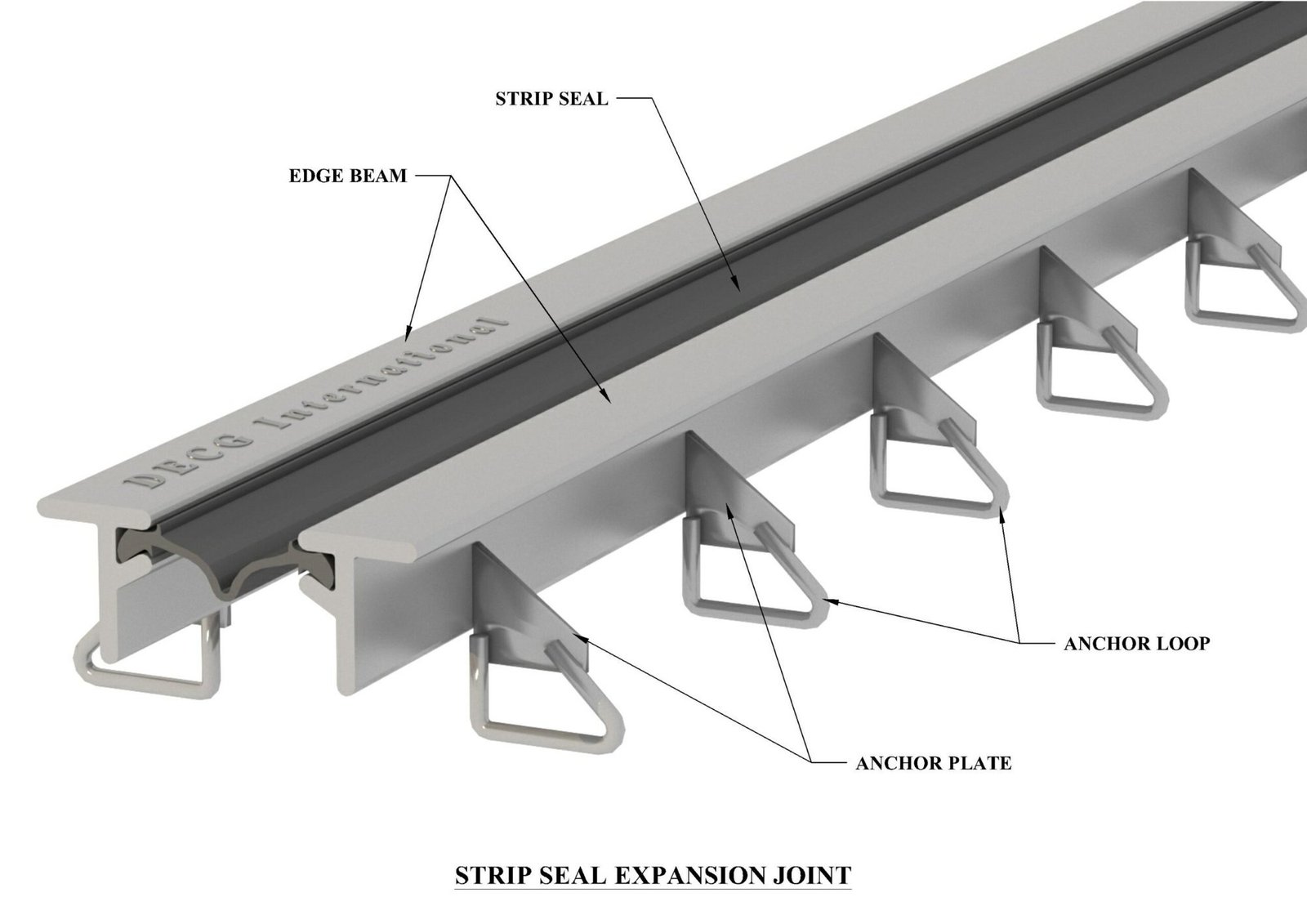
Steel Strip Expansion Joint: Comprehensive Technical Specification & Design Guide (2026)
Bridge Expansion Joints

Steel Strip Expansion Joint: Comprehensive Technical Specification & Design Guide (2026)

An in-depth engineering guide on Steel Strip Expansion Joint systems for bridge construction in Bangladesh. Learn about movement gap capacity, AASHTO M297 compliance, BUET quality testing, and structural installation.
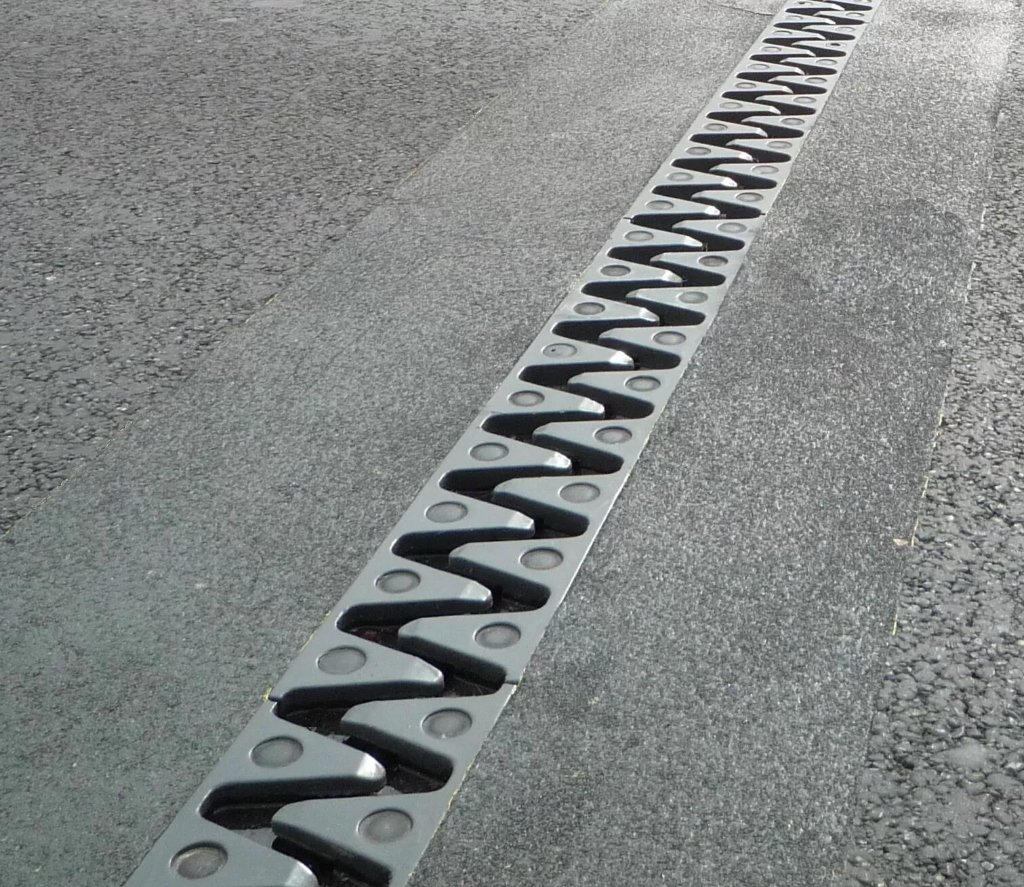
Steel Strip Expansion Joint vs. Modular Expansion Joint vs. Finger Joint: Complete Engineering Comparison
Bridge Expansion Joints

Steel Strip Expansion Joint vs. Modular Expansion Joint vs. Finger Joint: Complete Engineering Comparison

Compare Steel Strip Expansion Joint with Modular Expansion Joint and Steel Finger Joint systems. Discover movement gap limits, structural waterproofing, maintenance costs, and structural selection criteria for bridge engineers in Bangladesh.

Steel Strip Expansion Joint Installation & Maintenance Protocol according to AASHTO M297 & ASTM D5973
Bridge Expansion Joints

Steel Strip Expansion Joint Installation & Maintenance Protocol according to AASHTO M297 & ASTM D5973

Step-by-step installation guide for Steel Strip Expansion Joint systems on bridge decks in Bangladesh. Includes blockout preparation, anchor stud welding, EPDM seal insertion, and long-term inspection protocols.

Instant Inquiry

Request Product Quotation

Fill out your project details for . Our technical engineering team will reply within 24 hours.